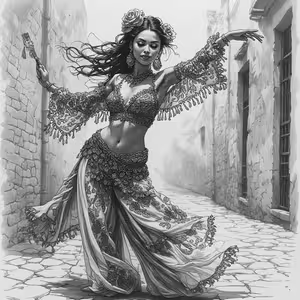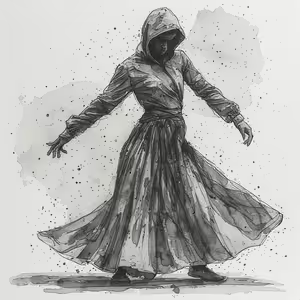
In modern belly dance fusions, the use of shawls, scarves, and veils adds dramatic visual flair, extending movement and creating dynamic shapes. While much attention is often given to choreography, the physical properties of these accessories—fabric, weave, weight, structure, and adornments—play a critical role in how easily they move, how reliably they stay in the dancer’s hands, and whether they interfere with the flow of a fusion performance. Here, we explore these aspects comprehensively.
1. Fabric Types: Advantages and Limitations

1.1 Lightweight Sheer Fabrics
- Chiffon (silk or synthetic):
- Characteristics: Very lightweight (20–60 g/m²), soft drape, low elasticity.
- Advantages: Flows elegantly in air; minimal snagging due to smooth surface.
- Limitations: Prone to tangling if very long; delicate, can tear on rough surfaces or sharp jewelry.
- Recommendation: Ideal for rectangular or triangular veils under 2.5 m length for controlled movement.
- Georgette:
- Characteristics: Slightly heavier (50–100 g/m²), textured surface, semi-sheer.
- Advantages: Slight grip reduces slipping off hands or sticks to skin less than satin; good for moderate flow.
- Limitations: Texture can catch on elaborate embroidery or coins; not ideal for extremely delicate hand manipulation.
- Organza:
- Characteristics: Crisp, transparent, stiffer than chiffon; low elasticity.
- Advantages: Holds shapes like fans or structured folds well; creates dramatic volume.
- Limitations: Stiffness increases risk of catching on coins or fringe; can produce rustling sound that may interfere with sound-sensitive fusion styles.
1.2 Medium-Weight Fabrics
- Silk Habotai:
- Characteristics: Smooth, moderate weight (50–80 g/m²), low elasticity.
- Advantages: Luxurious drape, low snagging.
- Limitations: Limited structural support for heavier embellishments; can cling slightly to synthetic clothing or sweaty skin.
- Rayon or Viscose Blends:
- Characteristics: Soft, mid-weight (80–120 g/m²), moderate drape.
- Advantages: Affordable alternative to silk, excellent flow, moderately durable.
- Limitations: Can wrinkle easily; friction-prone surfaces may snag small beads.
1.3 Heavy or Textured Fabrics
- Velvet or Velour:
- Characteristics: High-density pile, heavy weight (200–400 g/m²), low elasticity.
- Advantages: Rich appearance; holds structured folds.
- Limitations: Extremely prone to snagging on coins, fringe, or fingernails; restricts rapid movements; produces inertia that can alter choreography.
- Cotton or Linen Blends:
- Characteristics: Moderate to heavy weight (120–250 g/m²), natural fibers, slight elasticity.
- Advantages: Durable, minimal static cling.
- Limitations: Can be stiff if unwashed; heavier weight reduces aerial fluidity in fusion movements.
2. Embellishments: Influence on Performance
2.1 Coins and Beads
- Impact:
Coins and beads increase weight, alter balance, and introduce multiple points for snagging. Lightweight fabrics like chiffon may not support them evenly, causing distortion. - Recommendation: Use heavier fabrics or reinforced edges for coin-adorned shawls or veils. Avoid extensive embellishments on sheer fabrics, as uneven weight can twist and tangle.
2.2 Embroidery
- Impact: Dense embroidery or raised stitching can easily catch on other fabrics, jewelry, or fingernails. Silk threads may also pull loose with repeated use.
- Recommendation: Favor flat embroidery, minimal raised textures, or embroidery limited to borders. Avoid large, central embroidered motifs that can create focal snag points during spinning or waving.
2.3 Fringe
- Impact: Fringe adds dynamic visual interest but multiplies the risk of tangling. Long fringe on lightweight fabrics can fold into itself; on heavier fabrics, it can create drag.
- Recommendation: Opt for short, light fringe on lightweight veils or scarves, and longer, dense fringe only on medium-weight fabrics with structural integrity.
3. Elasticity and Weight Considerations
- Elasticity: Fabrics with low elasticity are generally more predictable in motion. Stretchy fabrics may slip from hands or twist unexpectedly during complex maneuvers.
- Weight:
- Very light fabrics (<50 g/m²) are excellent for flowing, aerial effects but prone to tangling.
- Medium-weight fabrics (50–150 g/m²) offer balanced control and flow.
- Heavy fabrics (>200 g/m²) provide structure but can resist smooth motion.
- Combined Weight with Embellishments: Always consider the cumulative weight of fabric plus decorations. Excessive mass can slow movements and increase snag risk.
4. Shapes and Sizes: Practical Implications
4.1 Rectangular Scarves
- Characteristics: Common in fusion styles, versatile for wrapping, flicking, or layering.
- Implications: Longer lengths increase likelihood of tangling; lightweight fabrics benefit from lengths under 2.5–3 m. Heavier fabrics can support lengths up to 4 m if movement is controlled.
4.2 Square Shawls
- Characteristics: Traditionally folded diagonally to create triangles; balanced drape.
- Implications: Ideal for symmetrical movement patterns; fabric weight must accommodate folding without excessive slippage.
4.3 Triangular Veils
- Characteristics: Can be pre-cut or folded from squares; point extends dramatically in movement.
- Implications: Tips can easily catch on jewelry or other fabrics. Recommend soft, lightweight fabrics with smooth edges; avoid dense embroidery at the apex.
4.4 Width Considerations
- Narrow scarves (30–60 cm): Controlled in hand, less prone to catching, best for fast sequences.
- Medium width (70–90 cm): Balances visual impact and maneuverability.
- Wide scarves/shawls (>100 cm): Spectacular visual presence, but higher snag and tangling risk; use sturdy yet smooth fabrics.
Fabric type to the shape and size of shawls, scarves, and veils for modern belly dance fusions
Here’s a clear guide linking fabric type to the shape and size of shawls, scarves, and veils for modern belly dance fusions, based entirely on material properties:
1. Rectangular Scarves
- Small to Medium (30–90 cm wide, up to 2.5 m long)
- Best Fabrics: Silk chiffon, light georgette, habotai silk.
- Reason: Lightweight, flows easily, and is easy to control. Smooth surface reduces snagging on fingers or jewelry.
- Large (over 3 m long or wide)
- Best Fabrics: Medium-weight silk, rayon blends, soft georgette.
- Reason: Slightly heavier fabrics prevent excessive tangling and maintain shape during longer spins or throws. Avoid very thin chiffon at this size—it may twist and knot.
2. Square Shawls
- Small to Medium (60–100 cm per side)
- Best Fabrics: Lightweight silk, chiffon, or light rayon.
- Reason: Folding diagonally into triangles keeps the fabric balanced. Lightweight fabrics allow elegant drape without overpowering the dancer’s movements.
- Large (over 1 m per side)
- Best Fabrics: Medium-weight silk, rayon, or soft georgette.
- Reason: Larger square shawls have more surface area; heavier fabrics help prevent twisting and maintain control, especially with added embellishments like fringe.
3. Triangular Veils
- Small Tip-to-Tip (less than 2 m)
- Best Fabrics: Silk chiffon, habotai silk, georgette.
- Reason: Lightweight, soft, and smooth fabrics create fluid motion with minimal snagging at the tip.
- Medium to Large Tip-to-Tip (2–3.5 m)
- Best Fabrics: Medium-weight silk or rayon blends, soft georgette.
- Reason: Heavier fabrics keep the apex of the triangle from flopping or tangling during spins and throws. Avoid stiff organza or velvet, which are too heavy and resistant to movement.
4. Wide Shawls or Scarves (>100 cm width)
- Best Fabrics: Medium-weight silk, soft rayon, or light georgette.
- Reason: Extra width increases the chance of tangling or catching; heavier lightweight fabrics give enough body for visual impact without becoming unmanageable.
5. Fringe or Embellished Versions
- Best Fabrics: Only use medium-weight silk, rayon blends, or reinforced lightweight fabrics.
- Reason: Lightweight fabrics alone may not support coins, embroidery, or long fringe without twisting or snagging.
Summary Rule of Thumb:
- Lightweight fabrics (silk chiffon, habotai) → best for small-to-medium sizes, flowing shapes, minimal snagging.
- Medium-weight fabrics (rayon, medium silk, soft georgette) → best for larger shawls, wide or long veils, and embellished pieces.
- Heavy fabrics (velvet, thick cotton, stiff organza) → generally not recommended for active fusion movements; only for structured, slow, or theatrical presentations.
5. Summary of Recommendations
- Best fabrics for minimal snagging: Silk chiffon, habotai, light georgette.
- Fabrics to reinforce for embellished shawls: Medium-weight silk or rayon blends.
- Fabrics to generally avoid: Velvet, thick cotton, stiff organza, or any fabric with high pile when paired with coins or dense embroidery.
- Shapes and sizes:
- Keep extremely long shawls only with heavier, reinforced fabrics.
- Use triangular shapes with smooth tips.
- Square shawls are safer for symmetrical fusion spins.
- Embellishment caution: Minimize coins, heavy embroidery, and long fringe on lightweight or sheer fabrics; if used, place them near reinforced edges.
Special Consideration: Women Over 50
With experience, the relationship between the dancer and her props often becomes more refined and intentional.
For dancers over 50, shawls, scarves, and veils can evolve from purely visual extensions into tools of precision and control. Rather than prioritizing size or spectacle, many dancers find greater impact in materials that respond reliably and support clarity of movement.
Medium-weight fabrics—such as soft georgette, silk blends, or rayon—often provide an ideal balance. They offer enough structure to remain stable in the hands while still allowing fluidity. Extremely lightweight fabrics, while visually appealing, may require more constant adjustment, which can interrupt phrasing.
Size also becomes a strategic choice. Slightly shorter or narrower pieces can enhance manageability, especially in sequences that involve transitions, directional changes, or layered arm work. This does not reduce expressiveness—it refines it.
Grip and tactile feedback are equally important. Fabrics with a subtle texture can improve control without compromising flow, allowing the dancer to focus on timing and musicality rather than correction.
Ultimately, the emphasis shifts toward efficiency: less excess fabric, more intentional movement, and a stronger connection between body and prop. The result is a performance quality that feels grounded, articulate, and quietly commanding.
Inclusive Perspective: Feminine Presentation and Continuity of Line
In modern belly dance fusions, shawls, scarves, and veils can play a subtle but significant role in supporting a cohesive and continuous visual line, particularly for performers who work with a refined feminine aesthetic.
In these cases, fabric choice and handling often prioritize smooth transitions and uninterrupted flow. Materials that neither cling excessively nor resist movement—such as balanced-weight silk blends or soft georgette—allow the prop to integrate seamlessly with the dancer’s phrasing.
Edge finishing becomes especially relevant. Clean, lightweight hems reduce the risk of catching and help maintain a fluid outline, ensuring that the fabric extends movement rather than fragmenting it. Similarly, avoiding overly bulky embellishments preserves clarity and prevents visual interruption.
Proportion and scale also contribute to cohesion. Shawls and veils that align with the dancer’s frame—neither overwhelming nor too minimal—help maintain visual harmony. When the prop moves as a natural extension of the arms and torso, the overall effect remains unified and controlled.
The focus is not on drawing attention to the prop itself, but on how it supports the continuity of presence, allowing movement, fabric, and intention to exist as a single, integrated expression.
Conclusion
Selecting fabrics and structures for shawls, scarves, and veils in modern belly dance fusions is a balancing act between aesthetics and functionality. Lightweight fabrics provide fluidity and elegance but are vulnerable to tangling; heavier fabrics offer structure but resist fast or intricate movements. The addition of embellishments like coins, fringe, and embroidery magnifies both the visual impact and the risk of snagging. Understanding fabric weight, elasticity, texture, and shape is crucial for choosing accessories that enhance the performance rather than hinder it. By aligning material properties with intended movement and size, dancers can maximize the dramatic effect of shawls, scarves, and veils while minimizing practical challenges.